


If you want to continue moving easily in your 70s or 80s, start consuming these six foods regularly from today.
Besides nutrition, there is another very important factor. Diet is fundamental, but maintaining healthy bones and joints in the long term also requires a suitable lifestyle. Simple habits such as brisk walking, climbing stairs, light weight training, sun exposure to synthesize vitamin D, maintaining a stable body weight, and limiting alcohol and tobacco consumption all contribute to protecting bone density.
Calcium supplements should only be used when your diet doesn't provide enough calcium or when recommended by a doctor. Bones don't show signs of life. But if you take good care of them starting today, in a few years your body will still be strong and flexible, and you'll be able to walk with confidence.
Many people only start worrying about their bones and joints when they already suffer from back pain, knee problems, or difficulty walking. However, bones don't actually weaken overnight. Bone density typically peaks between the ages of 20 and 30 and then gradually declines over time.
This is especially noticeable in women after menopause, when bone loss accelerates due to hormonal changes. By the time people reach their 70s or 80s, if their bones were already weak, even a minor fall can cause a fracture, and recovery is often lengthy.
Therefore, if you want to stay active in old age, climb stairs with ease, and maintain good posture, it's important to establish a solid nutritional foundation for your bones from a young age. Below are six food groups that should be part of your daily diet regularly.
1. Eggs

Eggs are a source of high-quality protein and provide a small amount of vitamin D.
Protein is very important for bones, as strong muscle mass helps maintain better balance, thus reducing the risk of falls, the leading cause of bone fractures in older adults.
Therefore, although eggs are not a primary source of calcium, they play an indirect role in protecting bone and joint health.
2. Leafy green vegetables
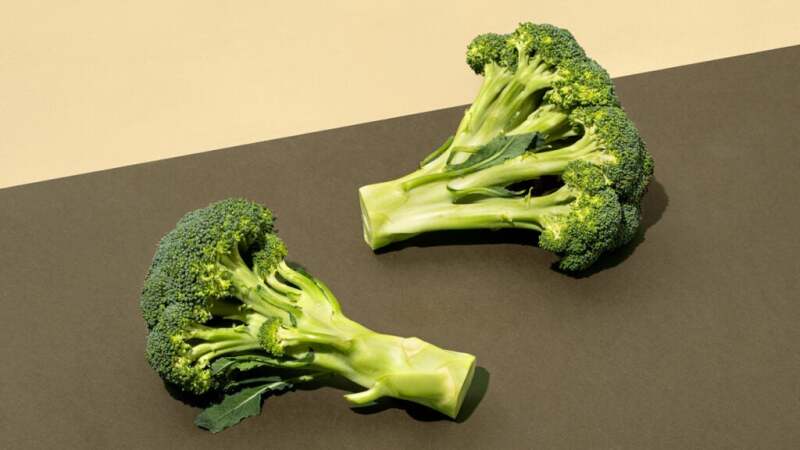
Vegetables like kale, bok choy, amaranth, and spinach are rich in micronutrients important for bone health.
Leafy green vegetables contain vitamin K, which plays a role in bone mineralization through the protein osteocalcin. They also provide magnesium, a mineral necessary for bone structure and vitamin D metabolism.
Some vegetables, such as kale or bok choy, also contain a significant amount of calcium. However, calcium absorption varies depending on the type of vegetable, so it's advisable to consume a variety of leafy green vegetables rather than relying on just one type.
3. Milk and dairy products
Continued on the next page.
To see the full cooking instructions, go to the next page or click the Open button (>) and don't forget to SHARE it with your friends on Facebook.